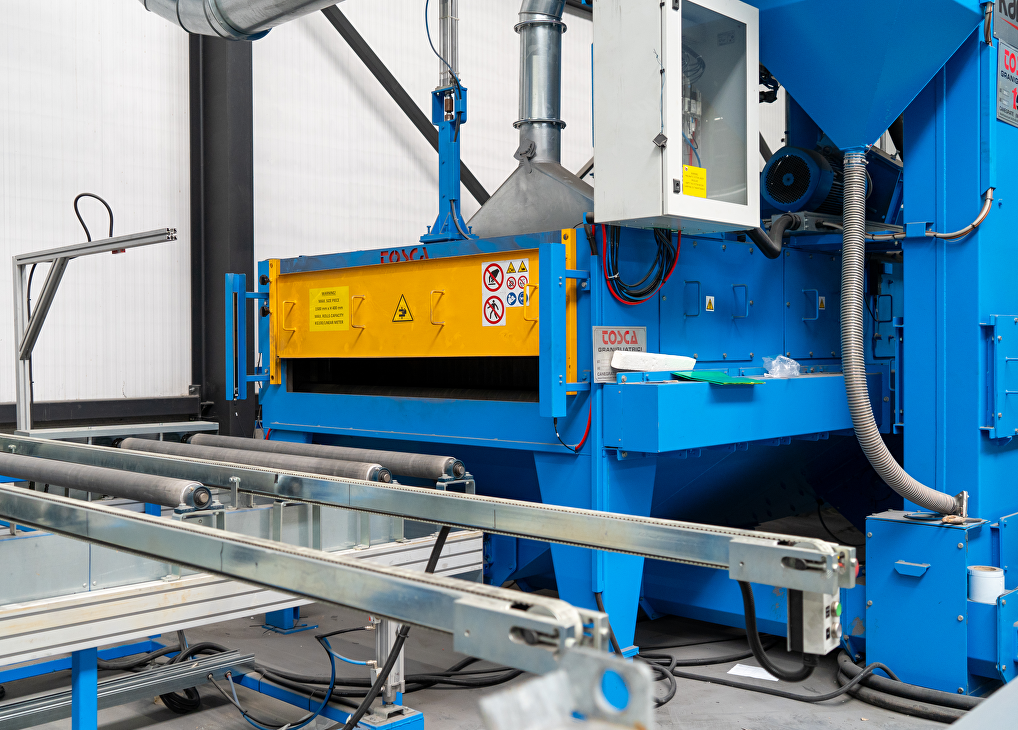
Finishing determines how anodized aluminum looks and feels. Through mechanical and chemical surface treatments, finishing defines texture, reflectivity and visual depth — shaping the final appearance before anodizing, colouring and sealing take place

Mechanical vs chemical finishing

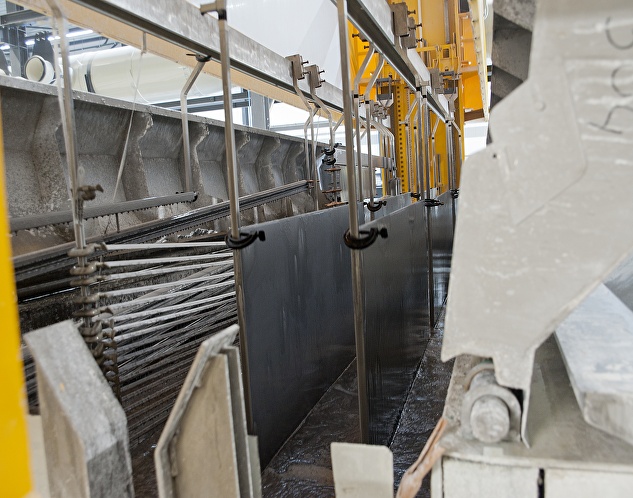
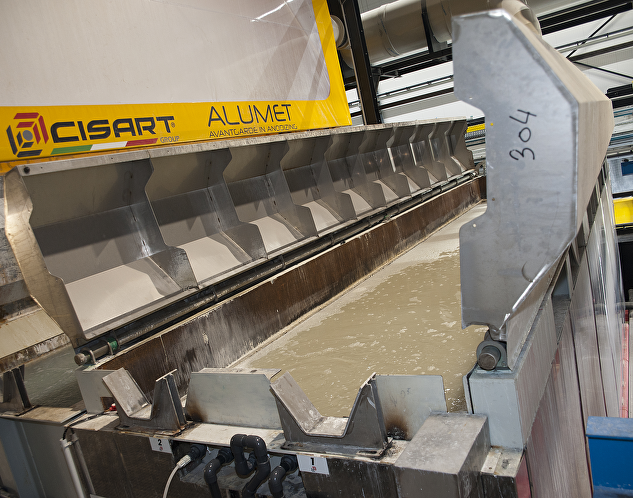
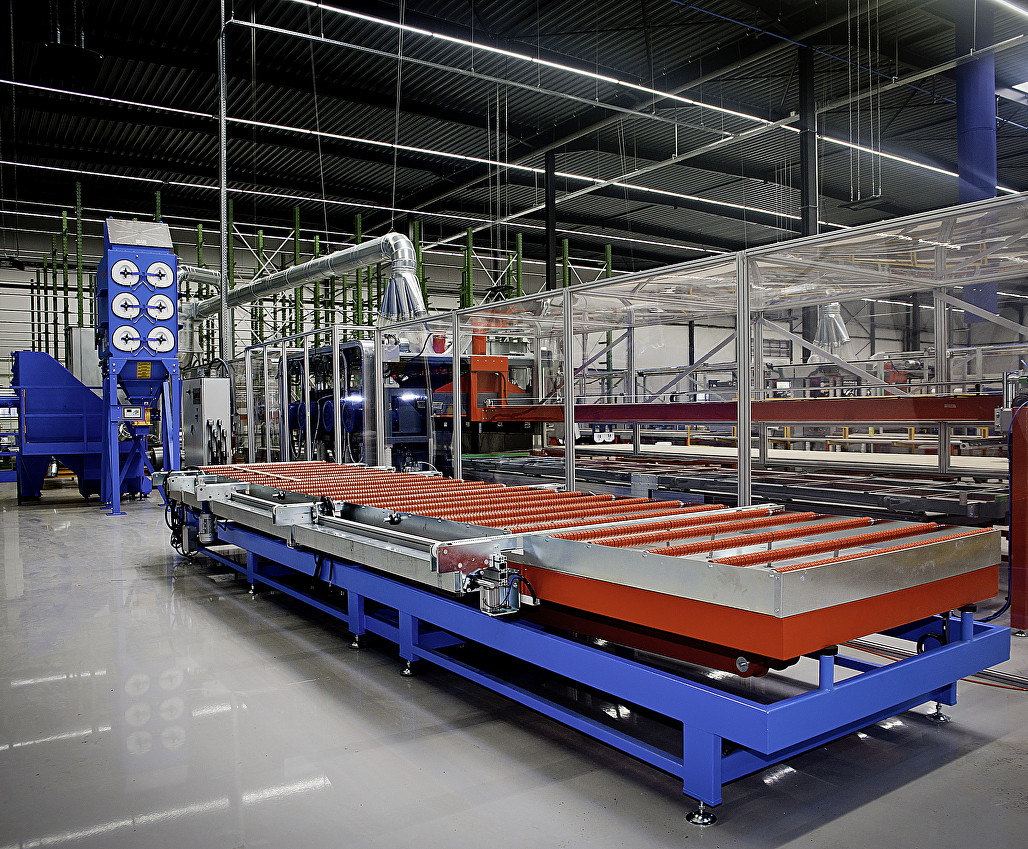
Aluminum finishing can be divided into two fundamental process groups: mechanical finishing and chemical finishing. Each method alters the surface in a different way and introduces specific technical advantages and risks.

Mechanical finishing physically modifies the surface through abrasion or impact, while chemical finishing alters the surface through controlled material removal or smoothing at a microscopic level. Understanding this distinction is essential for selecting the correct finish for anodizing and long-term performance.

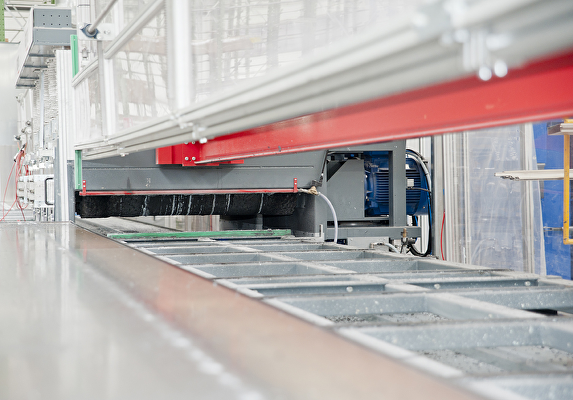
At Alumet, both process groups are executed in-house, allowing precise control over surface preparation and minimizing process-related risk.
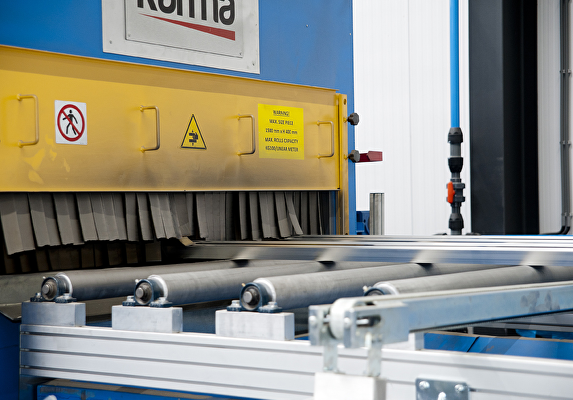
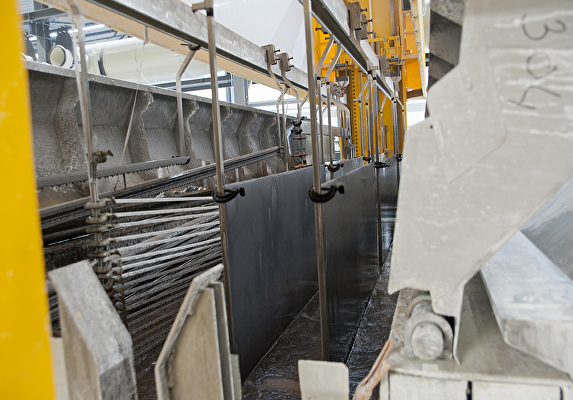
Technical objectives of finishing

  • Mechanical finishing
    Mechanical finishing

    Alters surface topography through physical interaction. Produces directional or isotropic textures with clearly defined roughness values.

  • Chemical finishing
    Chemical finishing

    Modifies the surface by dissolving material in a controlled manner. Produces smooth, non-directional surfaces with consistent microstructure.

  • Process control
    Process control

    Both methods require strict parameter control to avoid surface defects that may affect anodizing quality, colour consistency or corrosion performance.

Finishing techniques

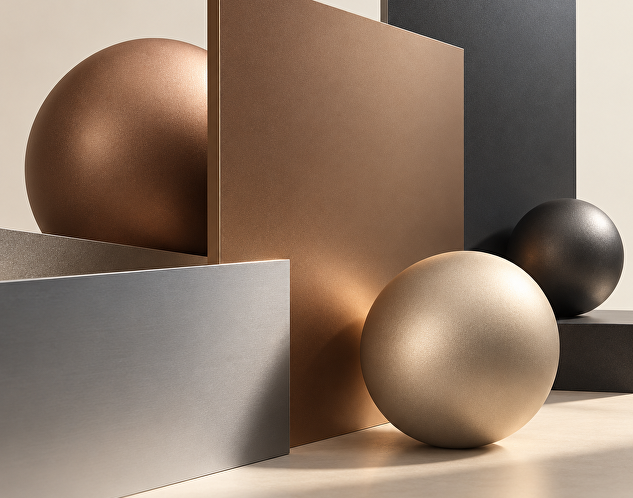
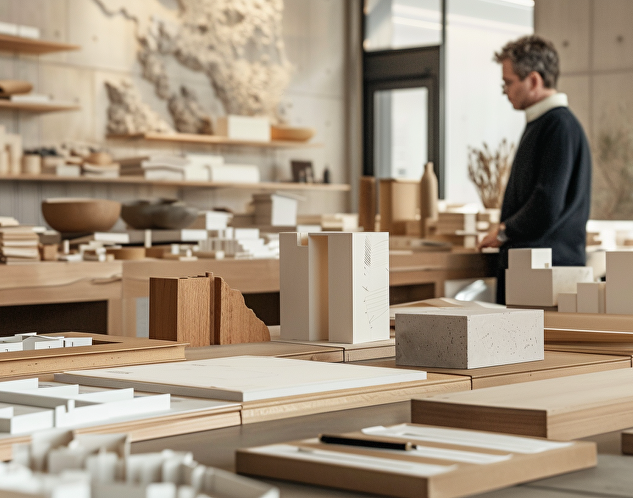
Each finishing method creates a distinct surface character. These finishes form the foundation for subsequent anodizing and colouring.
  • Matt etching

    Creates a subtle, satin finish that diffuses reflections
    and enhances the natural depth of aluminum.

  • Brushing

    Applies a fine linear texture that gives aluminum a distinctive, stainless-steel appearance with modern appeal.

  • Brightening

    Produces a high-gloss, reflective finish that highlights
    aluminum’s brilliance and visual purity.

  • Shotblasting

    Ultra-matt shotblasting produces a deeply matt, tactile surface by uniformly impacting the aluminum with fine media. The result is a low-reflection finish with a soft, mineral-like character.

  • Polishing

    Polishing further refines the surface to achieve a near-mirror finish. This process maximizes reflectivity and creates a crisp, high-gloss appearance that interacts strongly with light and surroundings.

  • Double anodizing

    Double anodizing combines finishing and anodizing in two stages to create layered surface effects. This technique allows for enhanced depth, subtle patterning or unique visual structures within the anodized layer.

Technical risks and mitigation

Technical risks and mitigation

Improper finishing can introduce risks such as uneven oxide growth, visual inconsistency, excessive material removal or reduced corrosion resistance. Mechanical processes may create stress points or non-uniform textures if not tightly controlled, while chemical processes can lead to over-etching or loss of dimensional tolerance.

Alumet mitigates these risks through:

  • Dedicated finishing lines per process type
  • Continuous monitoring of surface roughness and material removal
  • Process tuning per alloy and product geometry

This ensures finishing supports anodizing rather than compromising it.

Frequently asked questions about finishing

Do you have questions about our finishes? We’ve answered the most common topics. Find clear insights right away and make confident decisions for your architectural project.