Polishing

Polishing

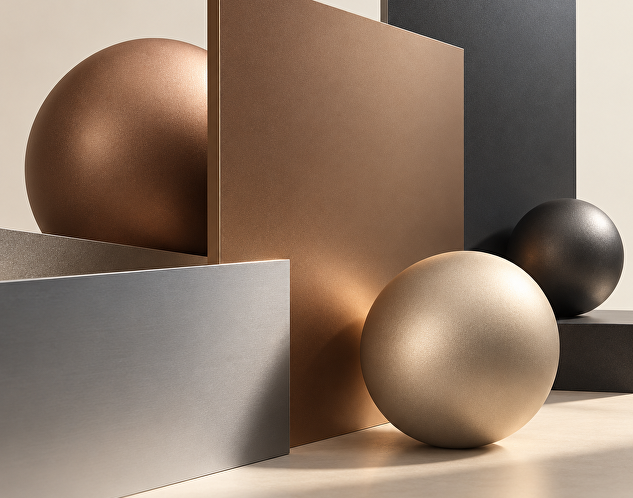
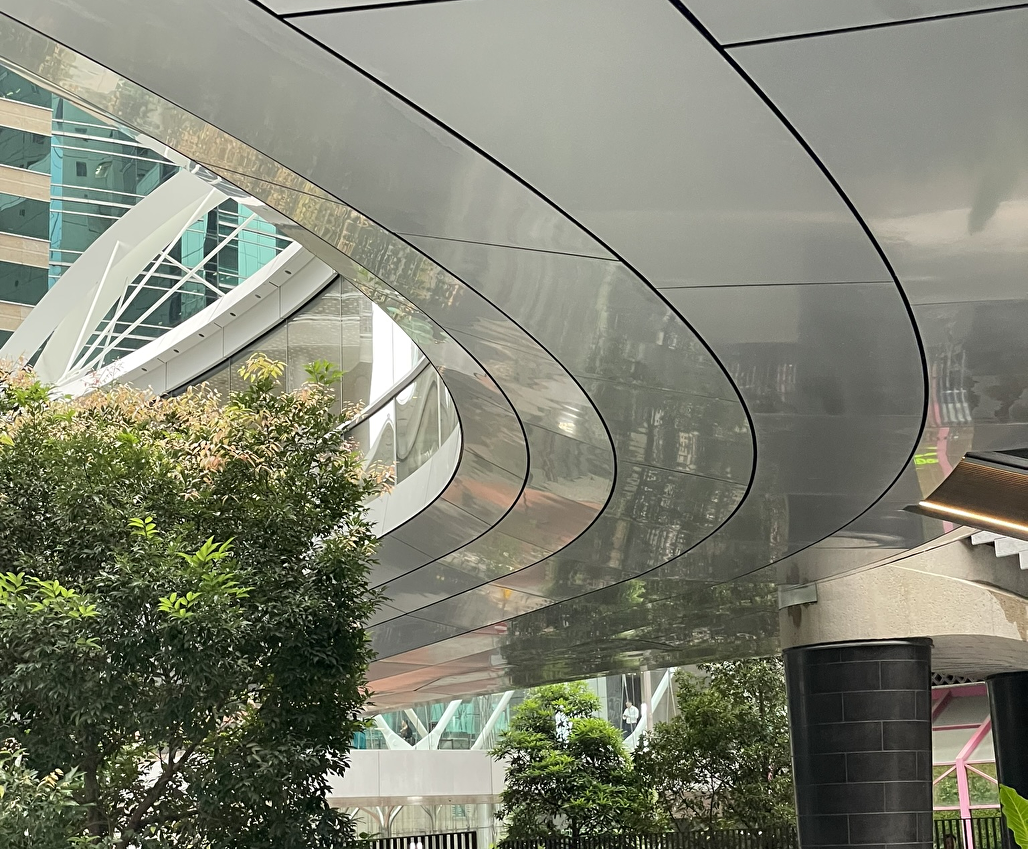
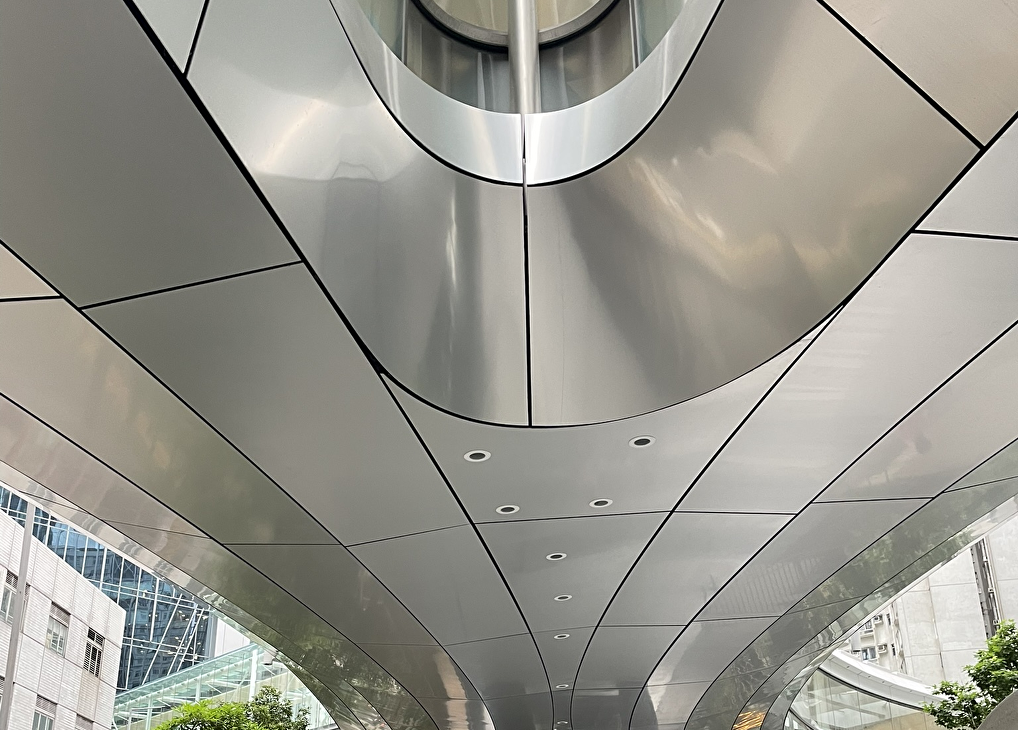
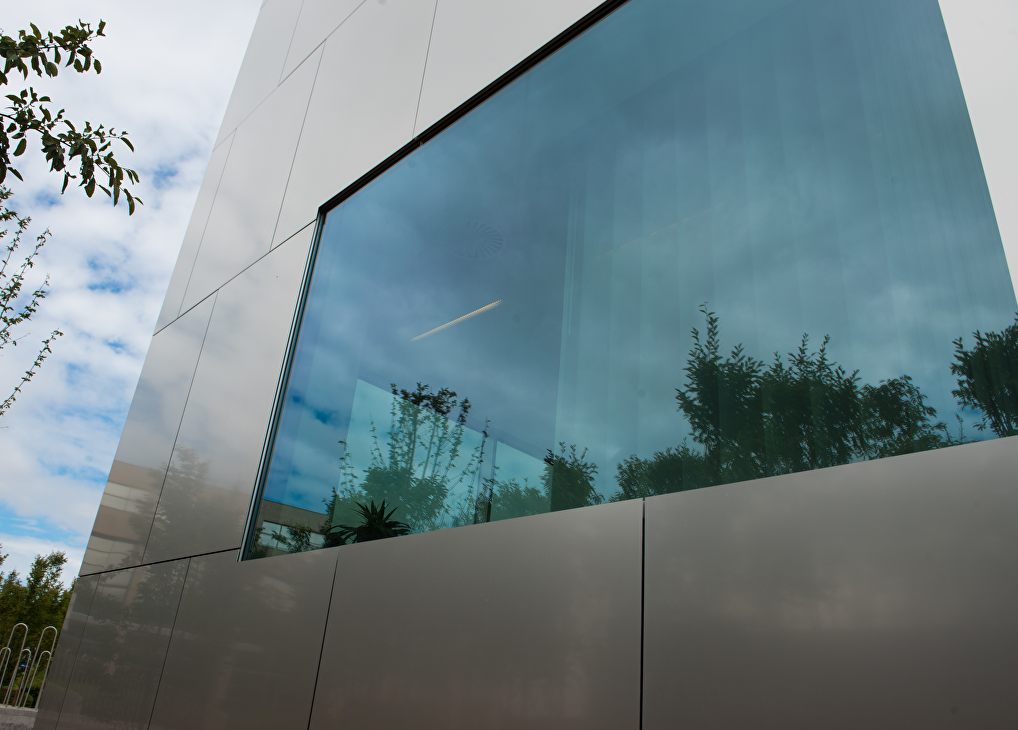
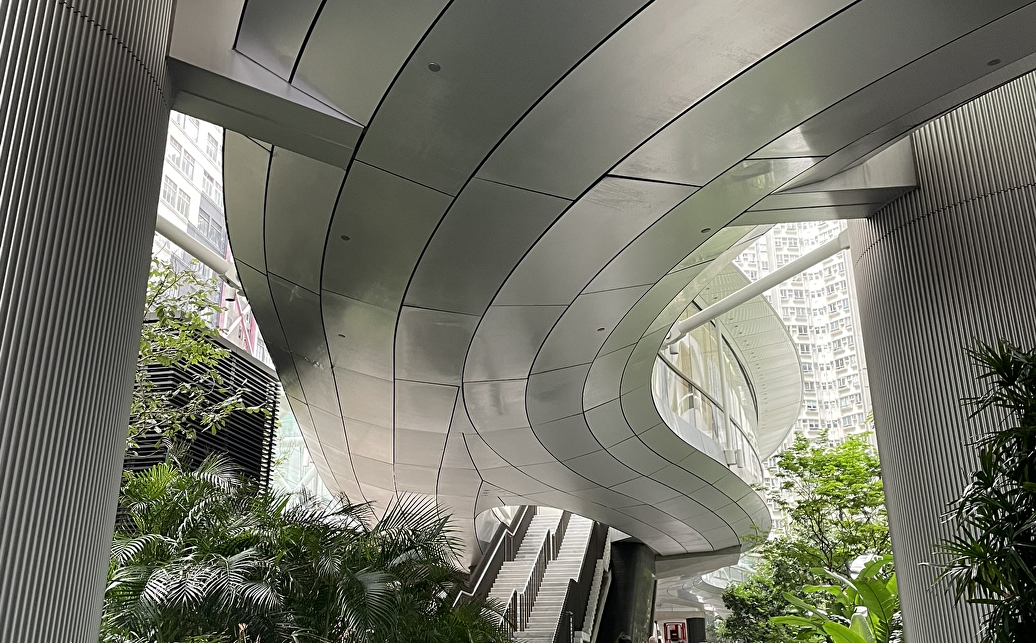
Polishing creates a smooth, reflective aluminium surface with enhanced depth and clarity. Compared to matt finishes, it offers a more expressive, light-responsive appearance, while retaining the durability and protection of anodized aluminium.

What polishing does

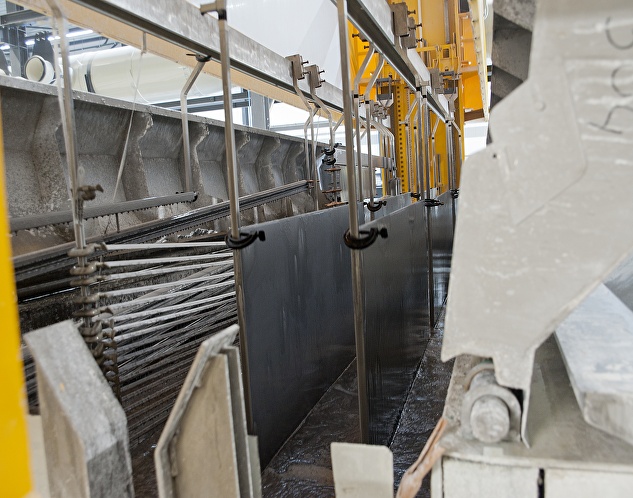
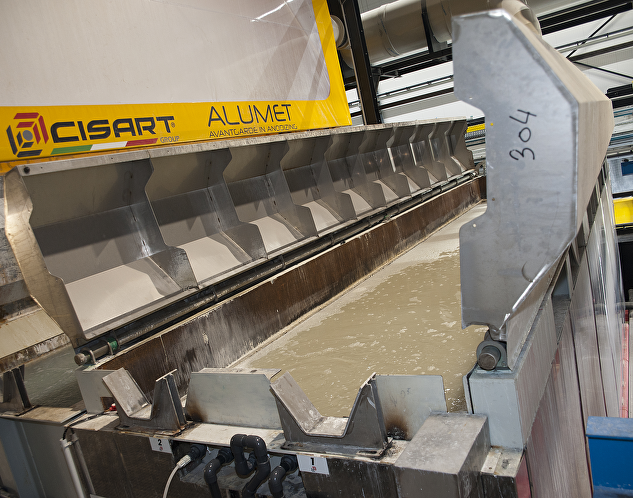
Polishing is a mechanical multi-stage refinement process that significantly reduces surface roughness. Through controlled abrasion and surface smoothing, the aluminium achieves a near-mirror finish with high reflectivity and sharp light interaction.

Unlike brushing or shotblasting, polishing minimizes surface texture rather than introducing it, resulting in a clean, continuous metallic surface.
Performance & application

Performance & application

When polishing is performed prior to anodizing, the anodic layer develops over a highly smooth substrate. This enhances brightness and optical clarity while maintaining the corrosion resistance and durability of anodized aluminium.

Polished anodized aluminium is suited for applications where reflection, contrast and material precision are central to the design, including feature façades, interior elements and detailed architectural components.

Polished aluminium in practice

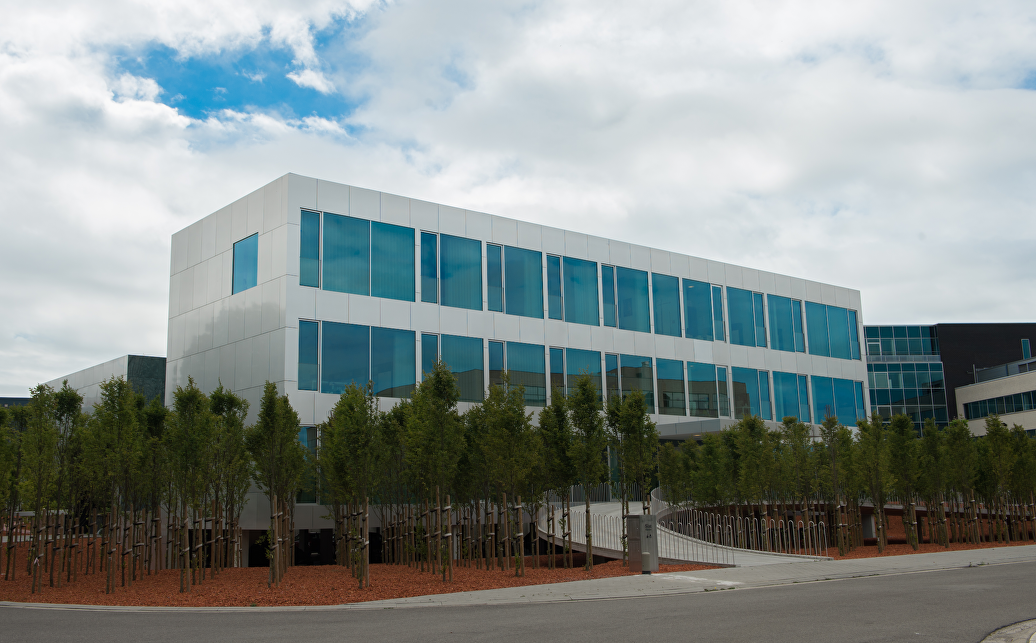
Polished finishes are applied in projects where light, reflection and material sharpness play a defining role. Explore selected projects to see how polished anodized aluminium performs in architectural environments.

Other finishes

  • Matt etching

    Creates a subtle, satin finish that diffuses reflections
    and enhances the natural depth of aluminum.

  • Brushing

    Applies a fine linear texture that gives aluminum a distinctive, stainless-steel appearance with modern appeal.

  • Brightening

    Produces a high-gloss, reflective finish that highlights
    aluminum’s brilliance and visual purity.