









AluCopper
Electrolytic colouring of anodized aluminium in a wide range of architectural colours. Freedom in aesthetic design while maintaining anodic layer integrity.
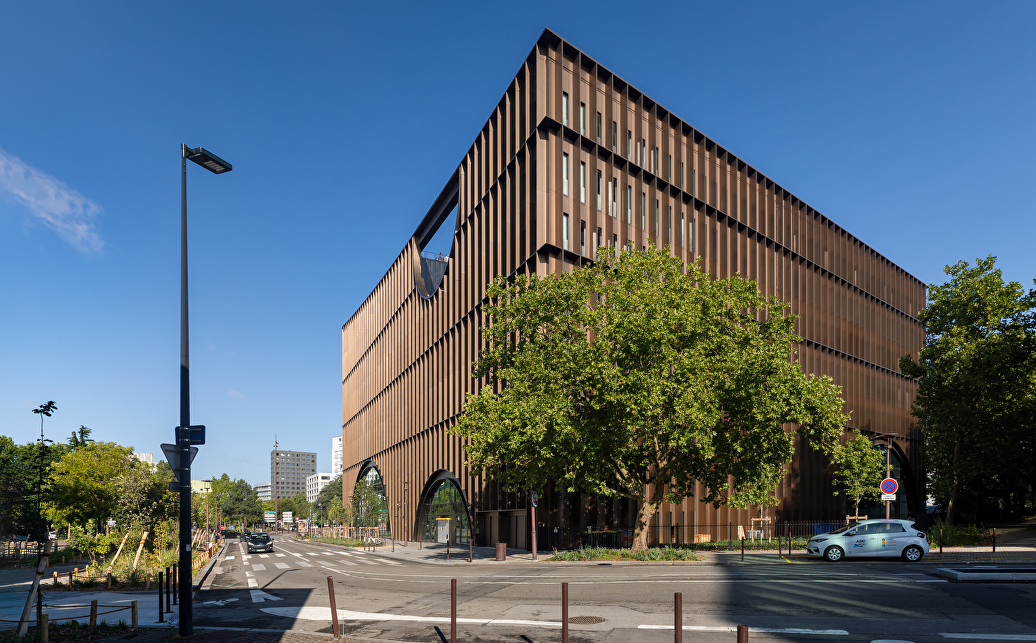
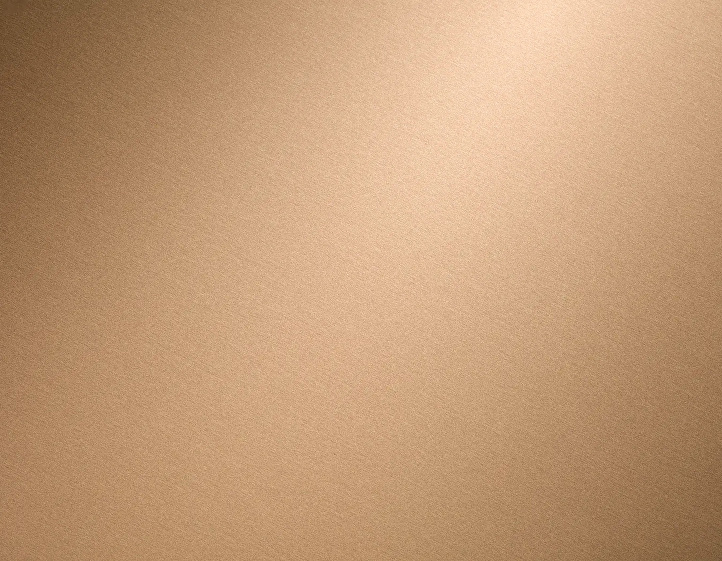
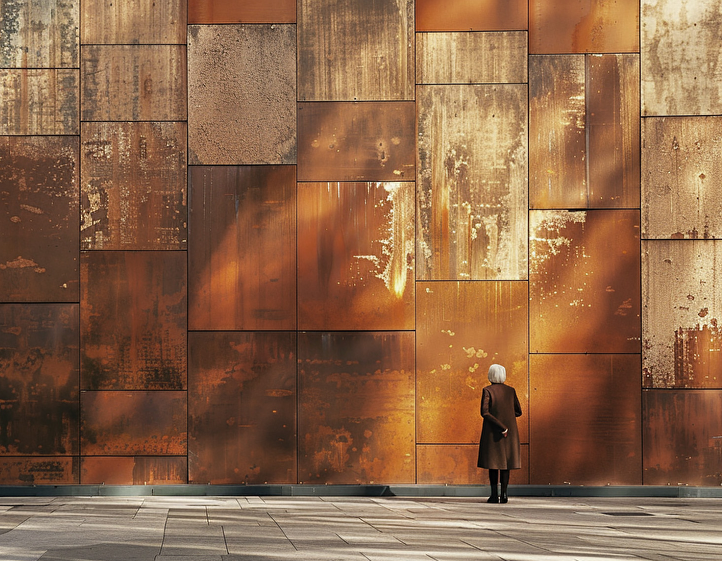
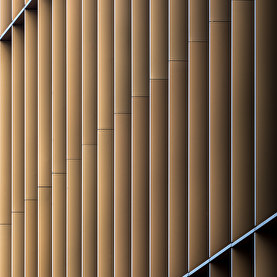
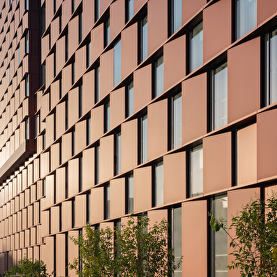
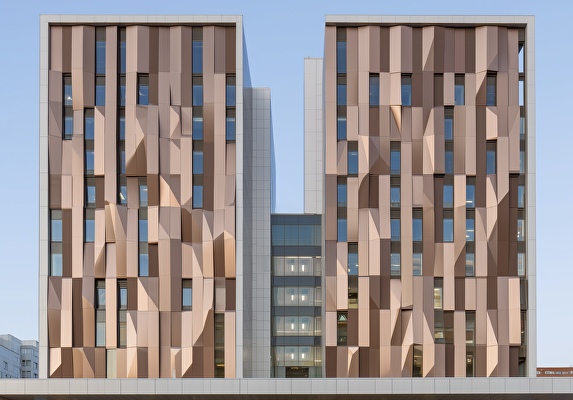
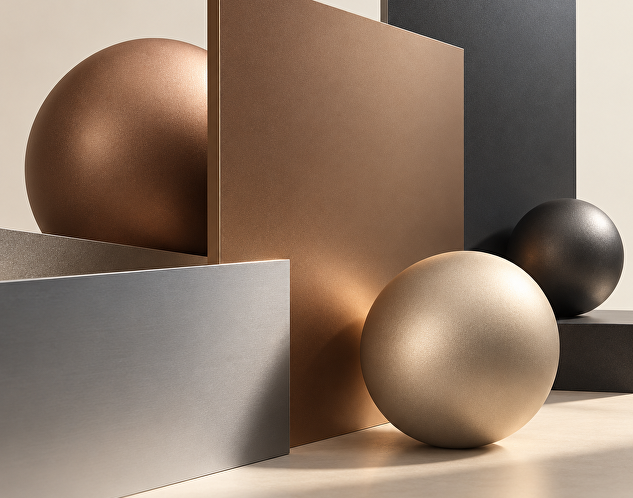
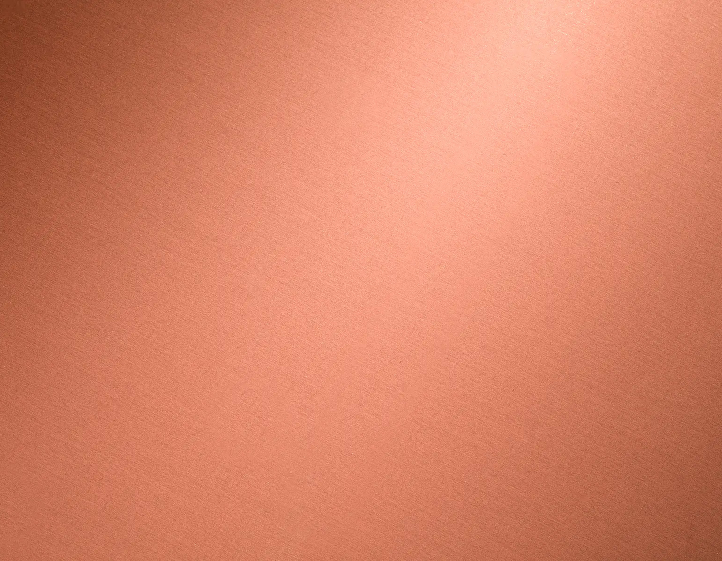
Experience timeless elegance with AluOldCopper, showcasing a range of rich copper tones from light brown to dark chocolate. Our innovative metal salt anodizing ensures UV-resistant, long-lasting finishes, meeting the highest standards and preserving the beauty of classic copper hues.
-
Colouring gives anodized aluminum its character. By introducing colour into the porous structure of the anodized oxide layer, rich and stable tones are created that become fully integrated with the metal, not applied on top of it.
Anodized aluminium can be coloured in several ways, each offering distinct visual qualities, depth and performance characteristics. At Alumet, all colouring takes place within the anodized structure itself, ensuring UV-resistant, durable and long-lasting colour suitable for demanding architectural environments.
Absorption colouring introduces inorganic colour compounds directly into the pores of the anodized oxide layer. By using materials specifically developed for anodized aluminum, colour becomes embedded within the structure of the metal rather than applied on the surface. Ferric ammonium oxalate produces warm golden tones, while lower concentrations result in light, refined silver hues. This colouring method is offered by Alumet as AluGold and is known for its soft, natural appearance and excellent colourfastness.
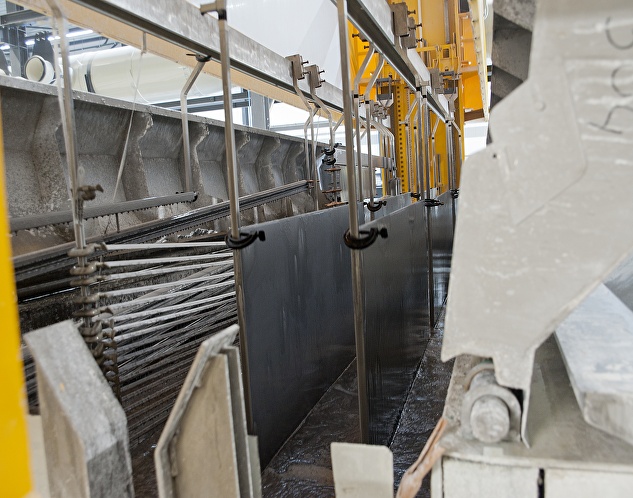
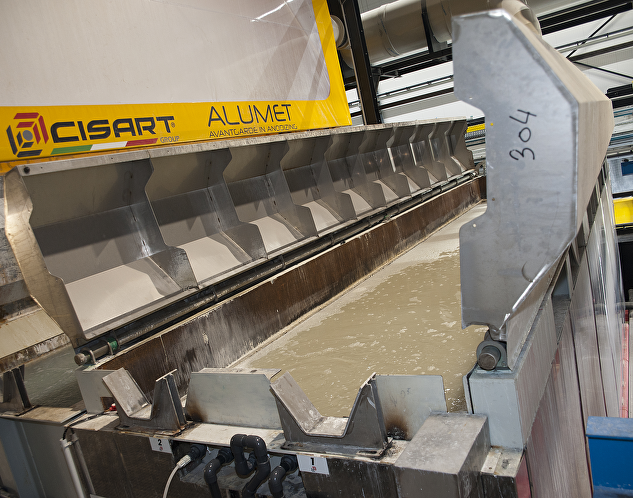
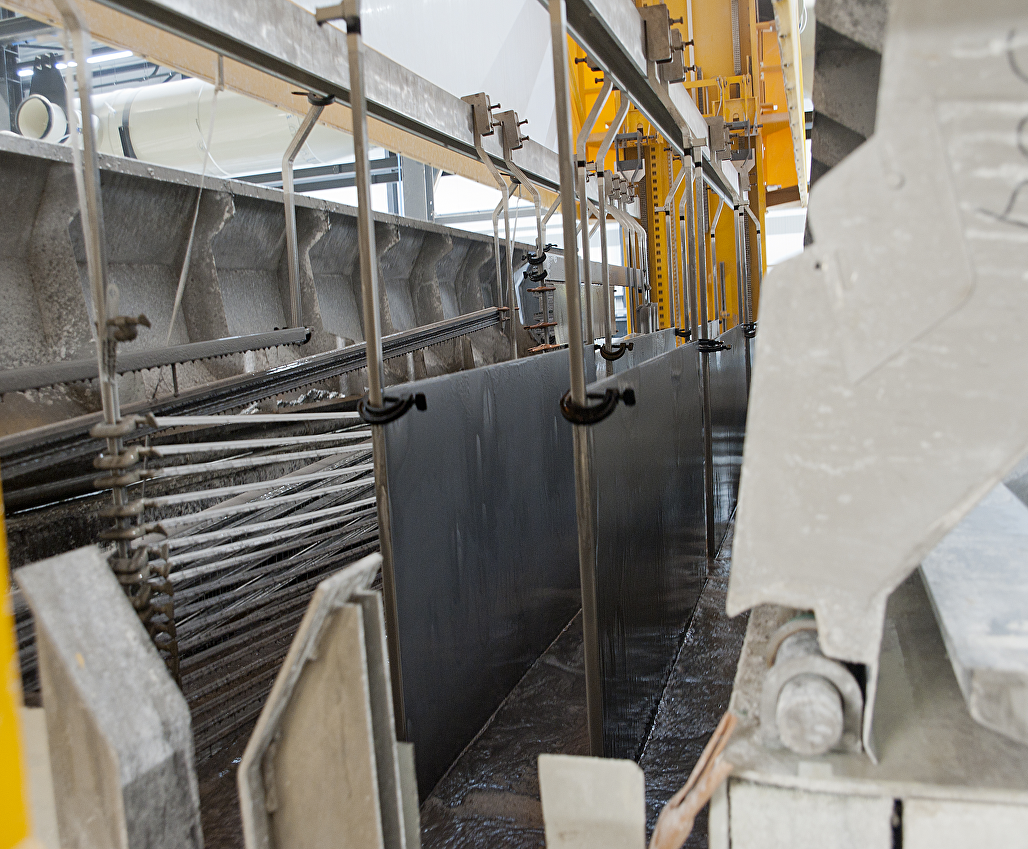
Electrolytic colouring deposits metal compounds deep within the anodized pores by means of an electrical current. Metal salts such as tin sulfate and copper sulfate are used to create a broad range of colours with exceptional durability. Tin sulfate produces tones ranging from light bronze to deep black, while copper sulfate results in colours from soft pink to rich red. Highly lightfast and well suited for exterior applications, this technique is offered as AluBronze, AluRed, and AluOldCopper when applied twice.
Combination colouring merges absorption colouring with electrolytic colouring to achieve complex, layered tones. This technique is commonly used to create copper- and brass-like appearances with increased depth and nuance. The process begins with electrolytic colouring, followed by a ferric ammonium oxalate treatment, allowing colour layers to interact within the anodized structure. Combination colouring is offered as AluCopper and AluBrass, providing richer tonal variation and visual complexity.
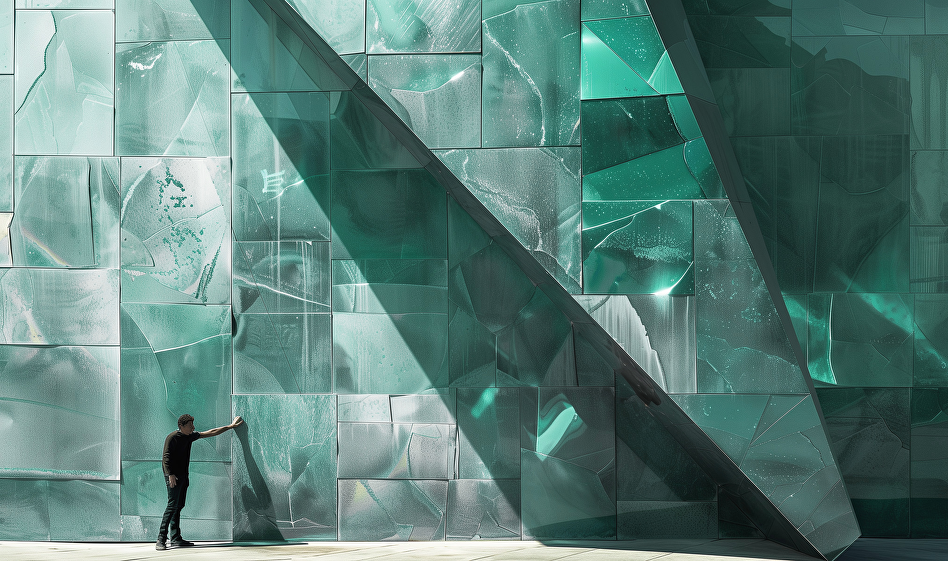
Interference colouring creates colour through optical effects rather than pigments alone. By combining acid treatment with alternating electrical current, the pore structure of the anodized layer is modified, allowing controlled metal deposition to interact with light. This electrochemical reshaping results in refined grey, blue and green tones that subtly change with lighting and viewing angle. Offered as AluGrey, AluBlue, and AluGreen, interference colouring gives façades a dynamic yet restrained expression.
Colouring takes place within the porous anodized oxide layer, allowing pigments or metal compounds to become part of the aluminum itself rather than forming a surface coating.
From absorption and electrolytic colouring to interference effects, each technique produces its own depth, tone and visual character, offering architects a wide range of refined colour possibilities.
Because colour is locked into the anodized structure, anodized finishes remain UV-resistant, weatherproof and consistent over time, even in demanding outdoor environments.
After anodizing, the aluminum surface contains a highly ordered porous oxide layer.
During colouring, pigments or metal compounds are introduced into these microscopic pores, where they become fixed within the structure of the oxide.
Once sealed, the colour is permanently locked into the anodized layer, creating a surface that is resistant to UV radiation, weathering and wear.